Grasp the psychology behind casino winning streaks.
The Thrill of the Chase: Understanding Casino Excitement
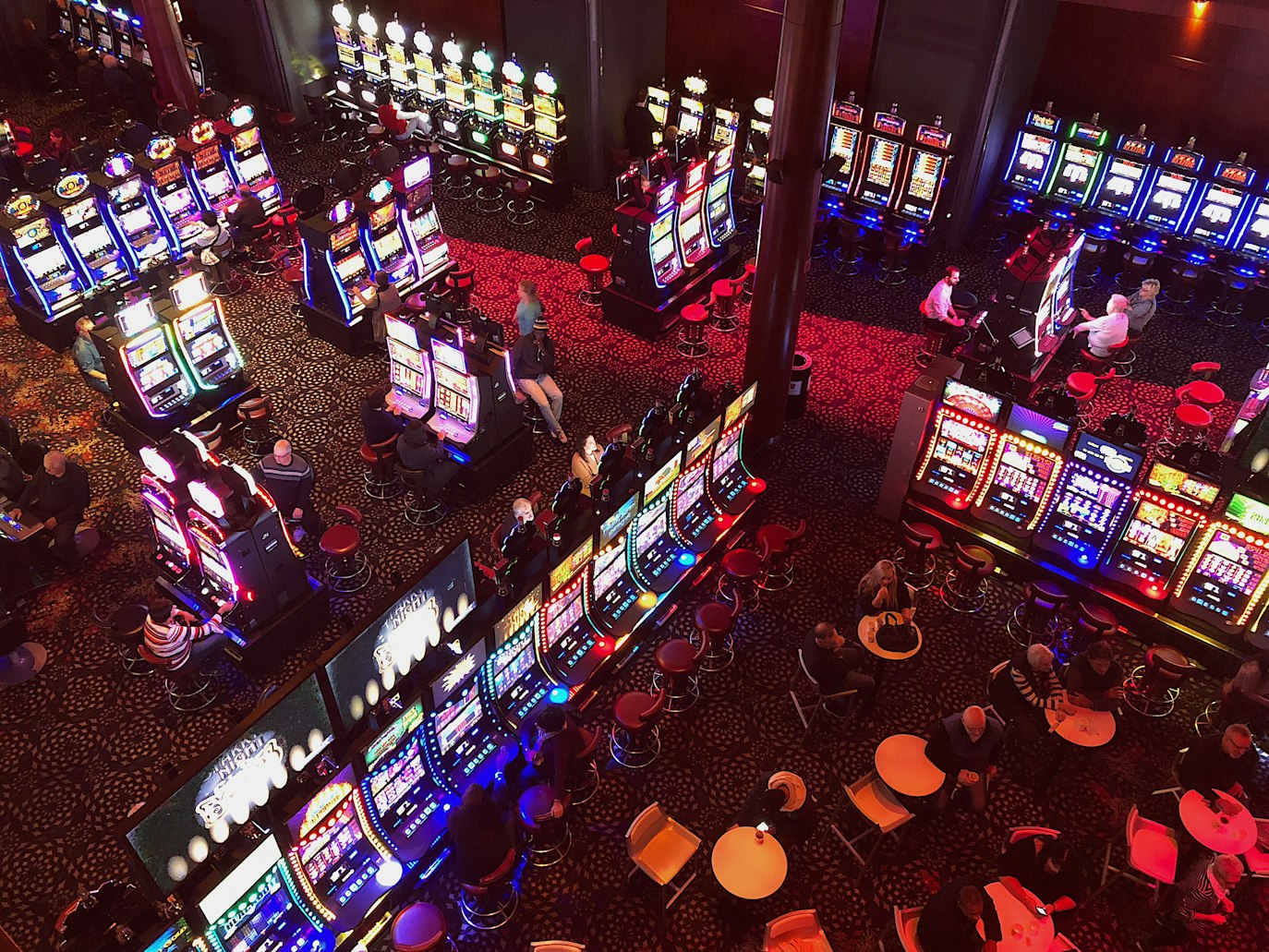
The allure of casino games often stems from the potent cocktail of anticipation, potential reward, and the sheer thrill of the unknown. This excitement is not merely about the possibility of financial gain; it taps into deep-seated psychological drivers that make the gaming experience compelling. The flashing lights, the sounds of winning, and the rapid pace of play all contribute to an environment designed to heighten arousal and engagement, making players feel alive and connected to the moment. Understanding the psychological underpinnings of why people are drawn to games of chance, and how these systems are designed to be engaging, is key to a balanced perspective, and resources like spin it can offer valuable insights into managing these impulses.
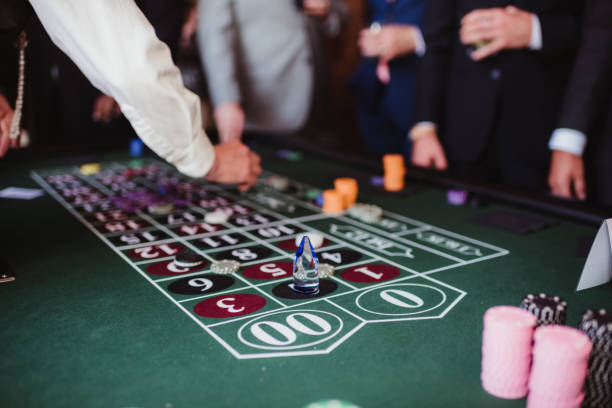
This heightened state of arousal can be particularly captivating during periods of perceived success. When a player experiences a “winning streak,” the brain releases dopamine, a neurotransmitter associated with pleasure and reward. This chemical surge reinforces the behavior, creating a positive feedback loop that encourages further play. The psychological impact of these small victories can overshadow rational thought, leading players to believe they are mastering the game or are on the verge of a significant jackpot, even when luck is the primary factor.
Cognitive Biases Fueling Casino Play
Several cognitive biases can significantly influence a player’s perception and behavior in a casino setting. The “gambler’s fallacy,” for instance, is the mistaken belief that if something happens more frequently than normal during some period, it will happen less frequently in the future, or vice versa. This can lead players to believe a losing streak must be followed by a winning one, or that a winning streak will inevitably continue. Similarly, the “illusion of control” can lead individuals to believe they have more influence over the outcome of random events than they actually do, often due to superstitions or perceived strategies.
Confirmation bias also plays a crucial role. Players tend to focus on and remember their wins more vividly than their losses, reinforcing their belief in their ability to win. This selective memory can distort their overall assessment of their performance and the inherent randomness of casino games. The brain actively seeks out information that confirms existing beliefs, making it difficult to acknowledge the role of chance and the statistical improbability of sustained winning streaks in games of pure luck.
The Impact of Near Misses and Perceived Skill
Even when a player doesn’t win outright, the experience of a “near miss” can be psychologically powerful. Coming close to winning can trigger similar neurological responses to actual wins, creating a sense of anticipation and encouragement to try again. This is often intentionally incorporated into game design to keep players engaged. Furthermore, in games that involve an element of skill, such as poker or some slot machine bonus rounds, players may overestimate their own abilities, attributing their wins to skill rather than a combination of skill and luck, thus extending their belief in their winning potential.
This misattribution of success can be particularly potent. A player might feel they have developed a “system” or a “knack” for a particular game, based on a series of fortunate outcomes. This perceived expertise can lead to increased confidence and a willingness to bet more, as they feel they are in control of the situation. This psychological reinforcement makes the subsequent inevitable losses feel like statistical anomalies rather than the natural consequence of playing games with a house edge.
The Role of Social Dynamics and Environment
The casino environment itself is meticulously designed to amplify psychological responses. The social atmosphere, the presence of other winners, and the general buzz of activity can create a sense of shared excitement and normalize the act of gambling. Observing others win can foster a sense of possibility and reduce inhibitions, encouraging individuals to participate or increase their stakes. The communal aspect, even for solo players, contributes to the overall immersive experience.
This environment also provides distractions from real-world concerns and responsibilities. The focus required for gameplay, combined with the sensory stimulation, can lead to a dissociative state where time seems to warp, and awareness of external consequences diminishes. This escapism is a powerful motivator for many, and when coupled with the thrill of winning, it creates a compelling reason to remain at the gaming tables or machines, often contributing to extended play sessions regardless of actual outcomes.
Spin-it.org.uk: Supporting Responsible Engagement
Understanding the psychology behind casino play is crucial for maintaining a healthy and responsible approach to gaming. Platforms like Spin-it.org.uk are dedicated to providing resources and support for individuals who may be struggling with compulsive behaviors or simply wish to engage with casino environments in a balanced way. They offer guidance on recognizing the signs of problematic gambling, strategies for setting limits, and access to professional help.
Spin-it.org.uk emphasizes that while the excitement of potential wins is a significant draw, it’s vital to approach casino games with a clear understanding of the odds and the psychological factors at play. Their aim is to empower individuals with knowledge, promoting self-awareness and informed decision-making. By offering educational materials and signposting to support services, they strive to foster a community where mental well-being and responsible engagement are prioritized, ensuring that the pursuit of entertainment does not lead to detrimental consequences.